Life Skills & Empathy:
Baking in the ESL Classroom
By Elizabeth Farro
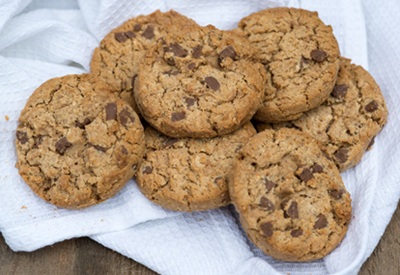 A few years ago, the other ESL teacher in my school began a partnership with our 18-21 year-old Multiple Disabilities teacher that has changed all of our students for the better. Using the kitchen that is in our MD classroom, our students worked together to create various treats and breakfast items. What was meant to be a nice break from rigorous language instruction has cultivated into a long-standing partnership that has become the thing our students look forward to the most.
Though baking cupcakes, cookies, pancakes, and cake-pops does not seem as though it has a place in the high school setting, it has proven beneficial for our students’ linguistic growth. Our students are taught how to read a recipe, measure various ingredients, and work a KitchenAid Mixer. They learn to communicate with one another in English and divvy up the tasks necessary to complete the baking project of the day. The students also use this opportunity as an outlet for their creativity, proving adept at decorating holiday cookies with icing and sprinkles.
One of the best results that has come out of this partnership is the relationship that has developed between our ESL students and the Special Education students. A lot of the students in the multiple disabilities program come from multilingual families but do not have the ability to communicate effectively in their heritage language. While working together, the ESL students not only practiced their English skills but also worked with the special education students to practice speaking in their heritage language. Our students learned empathy and were able to connect with students they normally would not get the opportunity to interact and form a friendship with. I highly recommend doing hands-on activities like this with your ESL students; it will become some of their favorite memories of being in your classroom!
Elizabeth Farro is the ESL Secondary Rep for NJTESOL/NJBE and an ESL Teacher in Ocean Township.
 In addition to these units, the preparation page for a virtual or in-person visit to the museum lists activities, standards, and questions for preparation and follow-up.