3 Ways to Learn Language With Music in Primary Education
By Annita Stell
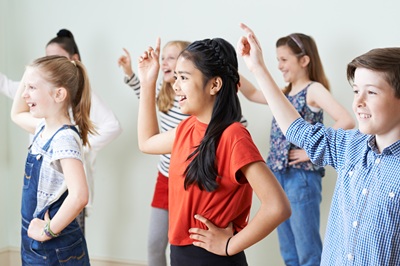 Music can set the mood for a classroom. Additionally, it can provide “multimodal language learning”.
- Auditory skills through listening to melodies, rhythms, and lyrics
- Kinesthetic skills by clapping or dancing along with the beat
- Visual skills when watching videos or reading lyrics
- Linguistic skills through exposure to vocabulary, sentence structures, and pronunciation
Stell offers three simple suggestions for how to use music for language learning.
- Using Lyrics to Support Reading Development – Age and interest appropriate song lyrics can be printed or read from a slide deck. Nursery rhymes and educational songs work well for younger children. One example is Itsy Bitsy Spider which can highlight action verbs and prepositions. As needed, vocabulary can be taught before the song is introduced, and discussion questions can be a followup to the activity.
- Listening to Songs for Active Language Engagement – When listening to a song, MLs can learn pronunciation and intonation, along with the vocabulary. They might be given a cloze exercise or asked to find rhyming words. They could also draw a scene from a song and describe it.
- Performing Songs to Build Language Fluency – Songs with actions help students connect words with the physical world. “Head, Shoulders, Knees, and Toes” is one of the songs in Stell’s list. Students may choose their own songs, which the teacher can preview for appropriateness. Even popular songs like “Baby Shark” may be used once or twice.
There is a lot of music from which to choose, and other music related activities are also possible to create meaningful language lessons.
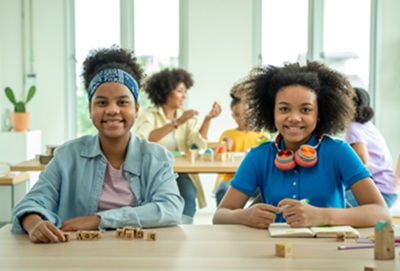 In an article linked to the one above, Annita Stell describes how she uses rotation plans to build literacy in young MLs. She lists three essential strategies for a successful plan.